
 Birthday
 Hydrangeas
Feng shui is a Chinese tradition of arranging space that pays a lot of attention to living plants. Healthy green plants are believed to bring growth energy and harmony into a home. There is no scientific evidence for this, but feng shui advice is a good excuse to think about where a plant will be happy and how it will enhance a room. Here are the plants popular in this tradition and where to place them.
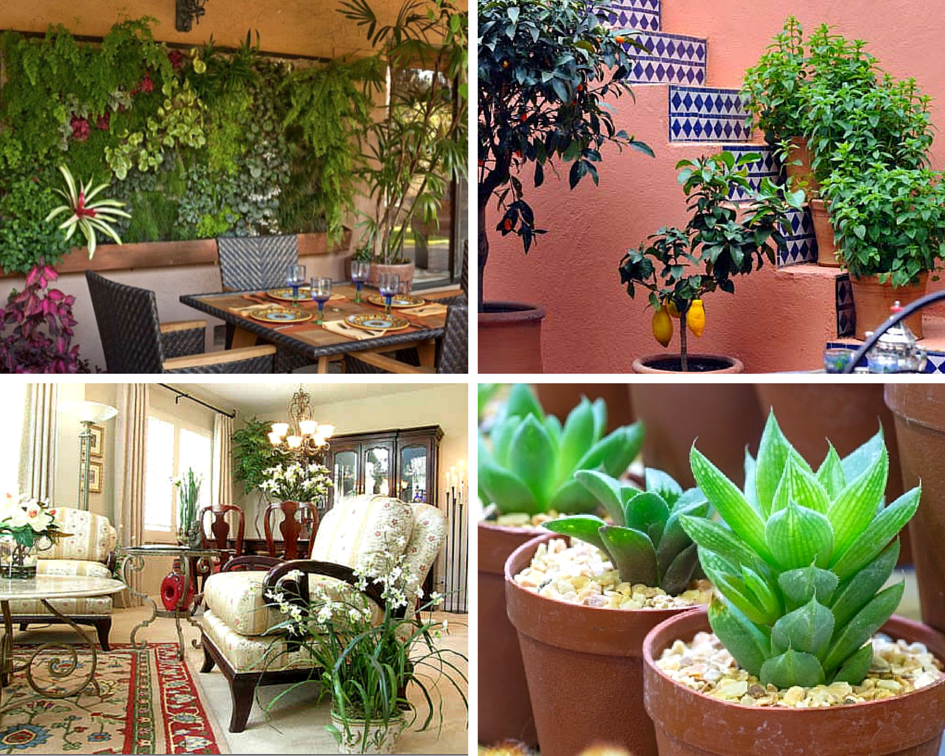
Key principles
- Healthy plants only. Wilted, sick or dried-out plants are considered a source of stagnation — nurse them back or remove them.
- Rounded leaves rather than sharp ones. Soft shapes are seen as more harmonious; spiny plants belong by the entrance or on a windowsill, not next to where you rest.
- The plant must suit the room. Even the “luckiest” plant will not bring joy if it lacks light.
Yin and yang plants
Feng shui loosely divides plants into two groups. Yin plants have rounded leaves and trailing or creeping stems — African violets, begonias, cyclamen, jade plants. They are recommended for kitchens, bedrooms and children’s rooms. Yang plants grow upwards with straight stems and pointed leaves — dracaena, snake plant, spider plant, citrus. They suit living rooms and studies.
Plants by area of the home
On the bagua map each direction governs an area of life. The south-east is the wealth area, so a jade plant or lucky bamboo goes here. The south-west stands for love and relationships — anthurium and plants in pairs fit well. The east is linked with family and health, the south with fame and the north with career.
Popular feng shui plants
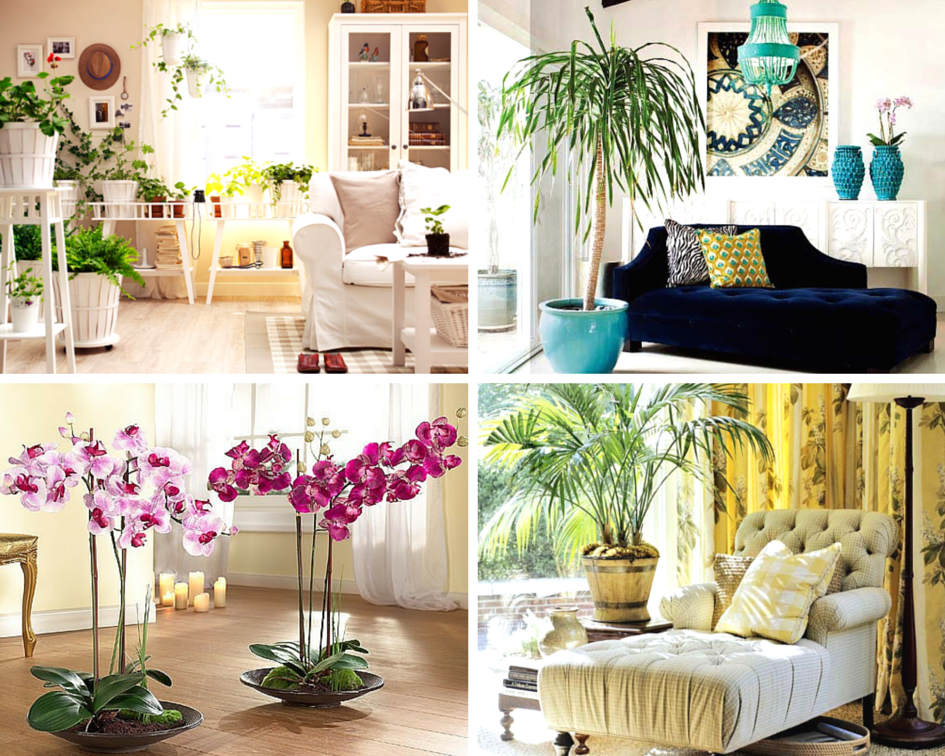
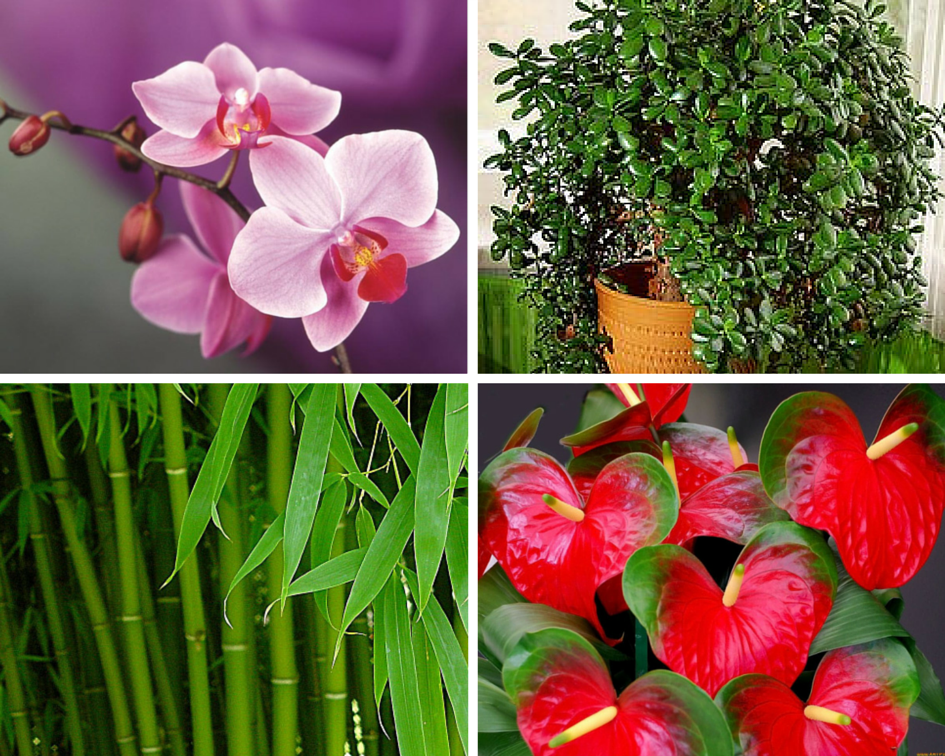
- Jade plant (money tree, Crassula) — the main symbol of prosperity. Find out how to make it bloom in how a jade plant flowers.
- Lucky bamboo — not bamboo at all but Dracaena sanderiana. The number of stalks matters: three for happiness, five for health, eight for wealth; four is avoided in Chinese tradition.
- Anthurium — a symbol of love and passion, placed in the relationship area.
- Ficus — said to “cleanse” a space and suits living rooms; it is usually kept out of the bedroom and love area.
- Orchid — a symbol of beauty and refinement; looks good in a hallway or living room.
- Snake plant — a “protector” with sharp leaves, placed by the entrance or in a study.
- Citrus — lemon and mandarin trees symbolise prosperity and joy.
Can you keep plants in the bedroom?
Many feng shui sources advise against plants next to the bed. Scientifically, a few houseplants in a bedroom are safe: at night they take up very little oxygen. Choose easy plants without a strong scent — peace lily, snake plant, spider plant — and keep them away from the headboard if that feels more restful.
Worth remembering
- Some popular “lucky plants” are toxic to cats and dogs: jade plant, dracaena, peace lily and dieffenbachia. If you have pets, keep them out of reach.
- Put a plant where it gets enough light, even if that is the “wrong” area: a healthy plant anywhere looks better than a sick one in the “right” place.
Potted plants are available in our potted plants with delivery in Kyiv section.
FAQ
Which plant brings money in feng shui?
Traditionally the jade plant (money tree) and lucky bamboo in the south-east part of the home.
Which plants should you avoid at home in feng shui?
Dried, diseased and artificial flowers, as well as spiny plants in the bedroom and relaxation areas.
How many stalks should lucky bamboo have?
Usually 3, 5 or 8; arrangements of four stalks are avoided in Chinese tradition.

View full-size photo
Author: Maria Svitlovir
Graduated from Taras Shevchenko National University of Kyiv, Institute of Biology and Medicine (2001). BSc in Biology, MSc in Horticulture. Writes about plants, works at a garden centre selecting and repotting plants, and contributes to plant reference guides.


