A houseplant cannot complain, but it nearly always sends a signal: its leaves change colour or drop, or it stops flowering. The good news is that most problems are not mysterious diseases but growing conditions — light, watering, air and the pot. Here are 10 common symptoms and their likely causes.
Healthy plants delivered: potted houseplants.
The same sign can have several causes, so look at the whole picture: when the symptom appeared, what changed in your routine, and what the roots and soil look like. Start with the simplest factors — light and water.
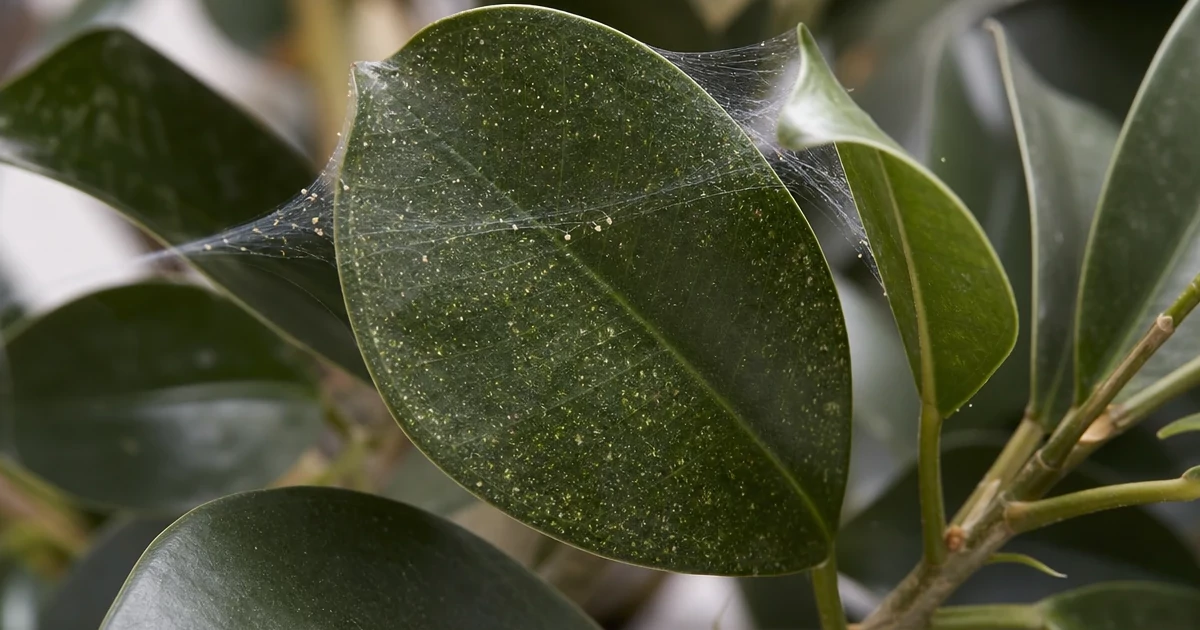
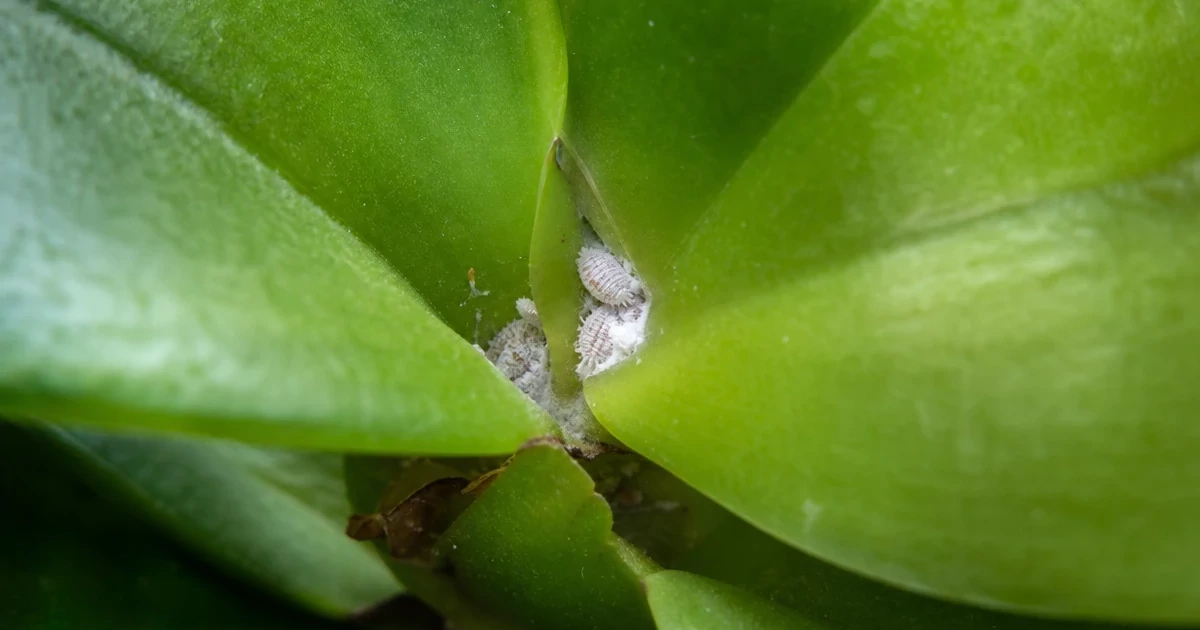
Spider mites like warm, dry air and leave fine webbing and pale speckles on leaves. Mealybugs look like tufts of cotton wool in leaf joints, scale insects like brown bumps on stems, and thrips leave silvery streaks. Isolate an infested plant at once, rinse it under a lukewarm shower and treat it with a suitable insecticide exactly as directed, repeating until no new pests appear. Tiny black flies rising from the pot are fungus gnats; see how to get rid of fungus gnats.
Mites under 0.5 mm long are almost invisible, so you notice the damage instead: tiny pale specks on leaves that merge into grey patches, fine webbing in leaf axils and shoot tips, and dull leaves that drop. Ficus, palms, dracaenas, roses and citrus suffer most in warm, dry air.
Mealybugs are white, fluffy, cotton-like blobs in leaf axils, on roots and under bulb scales. They are most common on orchids, succulents, dracaenas and citrus. Remove them with a cotton bud dipped in alcohol, wash the leaves with soapy water, then treat the plant and soil with a systemic insecticide.
Leaves that feel sticky, as if coated in syrup, carry honeydew, the sugary excretion of sap-sucking pests: scale, aphids, mealybugs or whitefly. Sooty mould, a black film, soon grows on it. So stickiness is a signal to inspect the plant and find the pest, not just to wipe the leaves.
We have collected the most common care mistakes in 10 ways to kill a houseplant, covered diseases of indoor roses separately, and explained gentle feeding in natural fertilisers for houseplants.
If one or two old lower leaves yellow, that is natural renewal. If many leaves yellow at once, check watering and the roots.
Misting raises humidity only briefly. A humidifier or a tray of wet pebbles is more reliable.
Often, yes, if some healthy pale roots remain: keep those, cut away the rest and repot into fresh mix.

Author: Maria Svitlovir
Graduated from Taras Shevchenko National University of Kyiv, Institute of Biology and Medicine (2001). BSc in Biology, MSc in Horticulture. Writes about plants, works at a garden centre selecting and repotting plants, and contributes to plant reference guides.
© Kyiv 2026 UFL Flower Shop

Trademark UFL №191476 is used under license of the rights holder.
All rights reserved. Any use of materials without a link to the site is prohibited.

 Birthday
 Hydrangeas