
 Birthday
 Hydrangeas
Lavender has an instantly recognisable scent and looks lovely in the garden, in bouquets and dried. Here are the main types of lavender, how to grow it in Ukraine, when to cut and how to dry it, how it is used at home and in cooking, and when to visit the lavender fields of Provence.
Bouquets with lavender and other summer flowers can be found among our flower baskets and flower boxes.
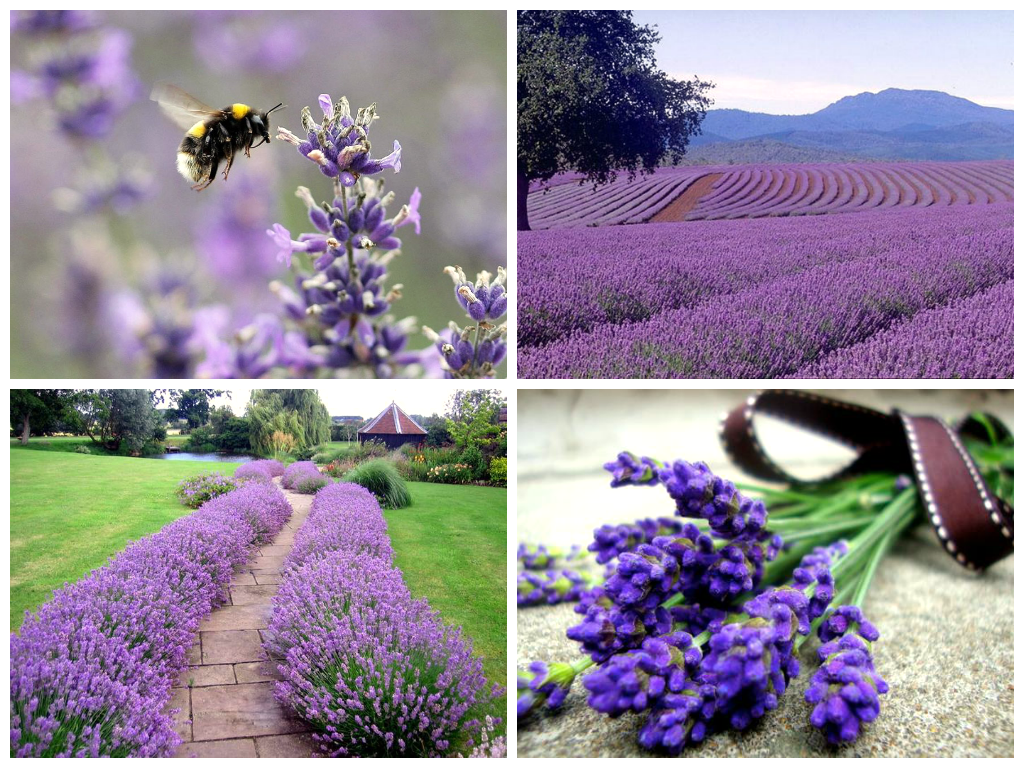
Types of lavender
English lavender suits Ukrainian gardens: it survives frost if drainage is good. Lavandin is larger and yields more essential oil, which is why it is grown on commercial fields. French lavender, with its showy "rabbit ears", only overwinters indoors.
How to grow lavender
- Site: the sunniest spot in the garden.
- Soil: light, poor, well-drained, neutral or slightly alkaline. Waterlogging is lavender's main enemy.
- Watering: moderate; established plants are drought-tolerant.
- Pruning: remove spent flower spikes after flowering and trim in spring, without cutting into old wood.
- Winter: where winters have little snow, cover young plants with conifer branches.
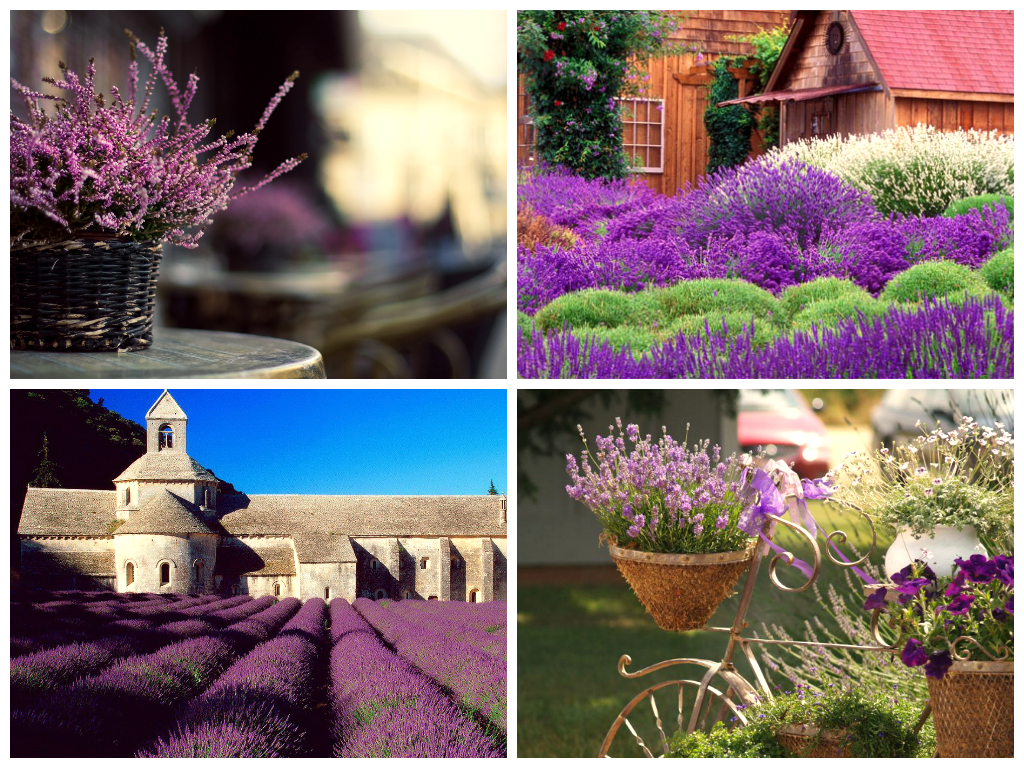
The lavender fields of Provence
The best-known lavender fields are on the Valensole plateau and around Sénanque Abbey in southern France. They bloom from mid-June to late July, usually peaking in early July, and harvesting starts in mid-July. For more flower travel, see world flower parks and plantations. Ukraine also has lavender farms open to visitors in late June and July.


How to cut and dry lavender
- Cut when about half the buds on the spike have opened — the lavender keeps its colour and scent better.
- Cut on a dry morning once the dew has gone.
- Tie small bunches and hang them upside down in a dark, dry, airy place for 1–2 weeks.
Dried lavender is used in bouquets and arrangements; for pairings see preserved and dried flowers, and for gift ideas see lavender gift ideas.
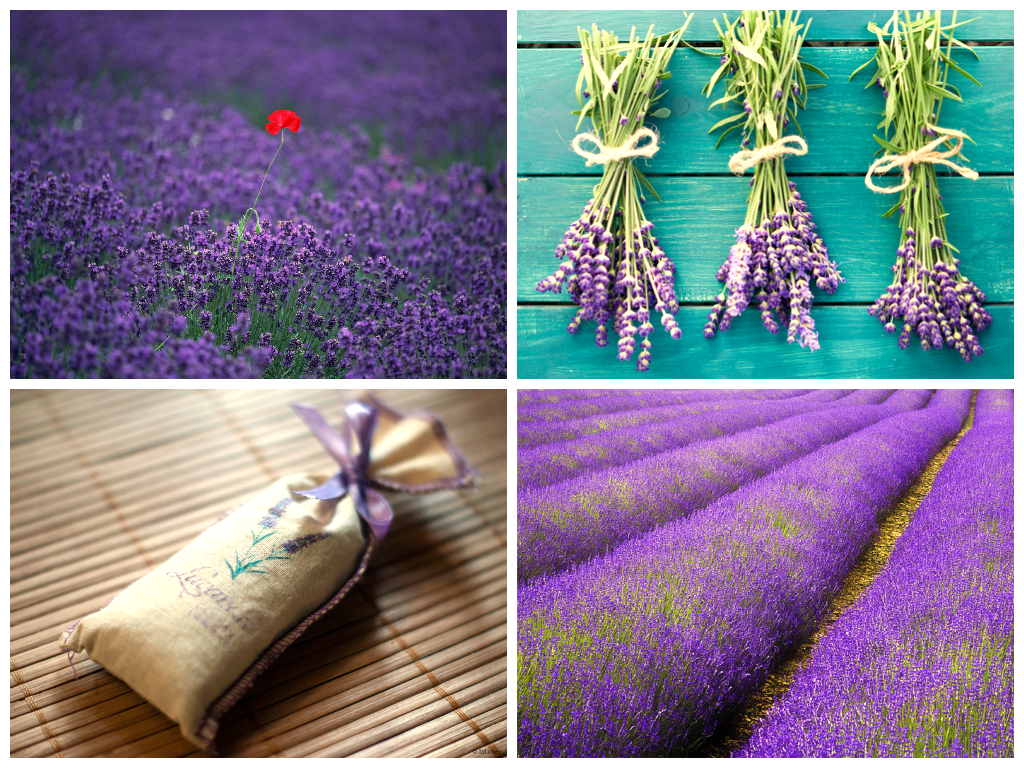
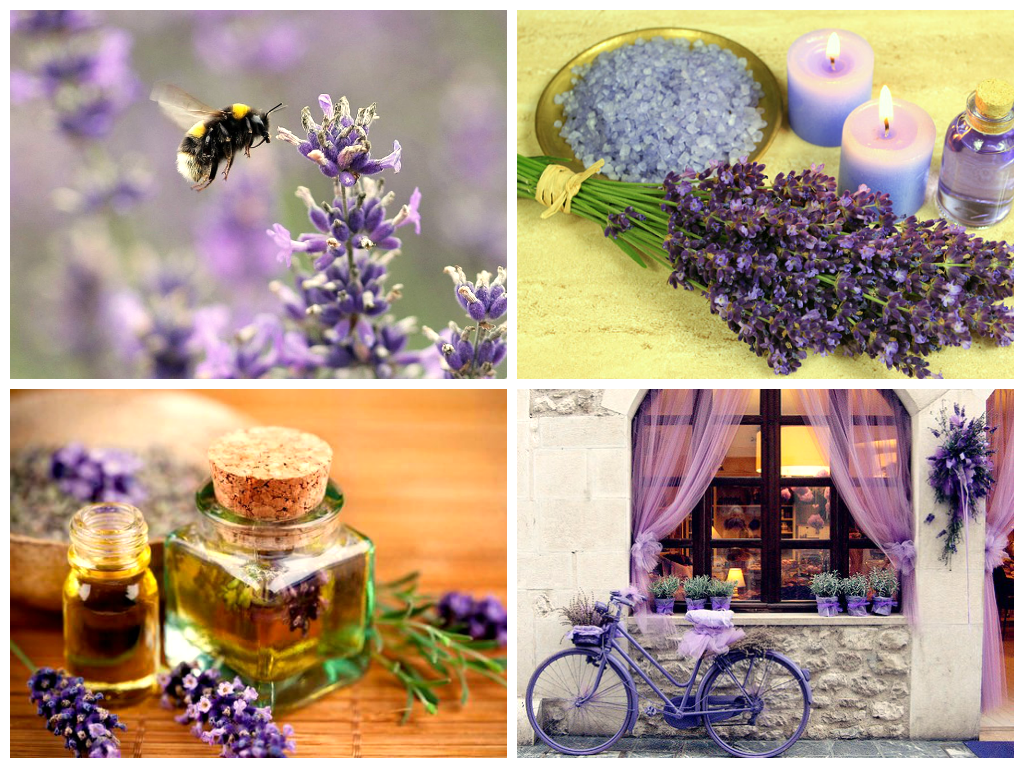
How lavender is used
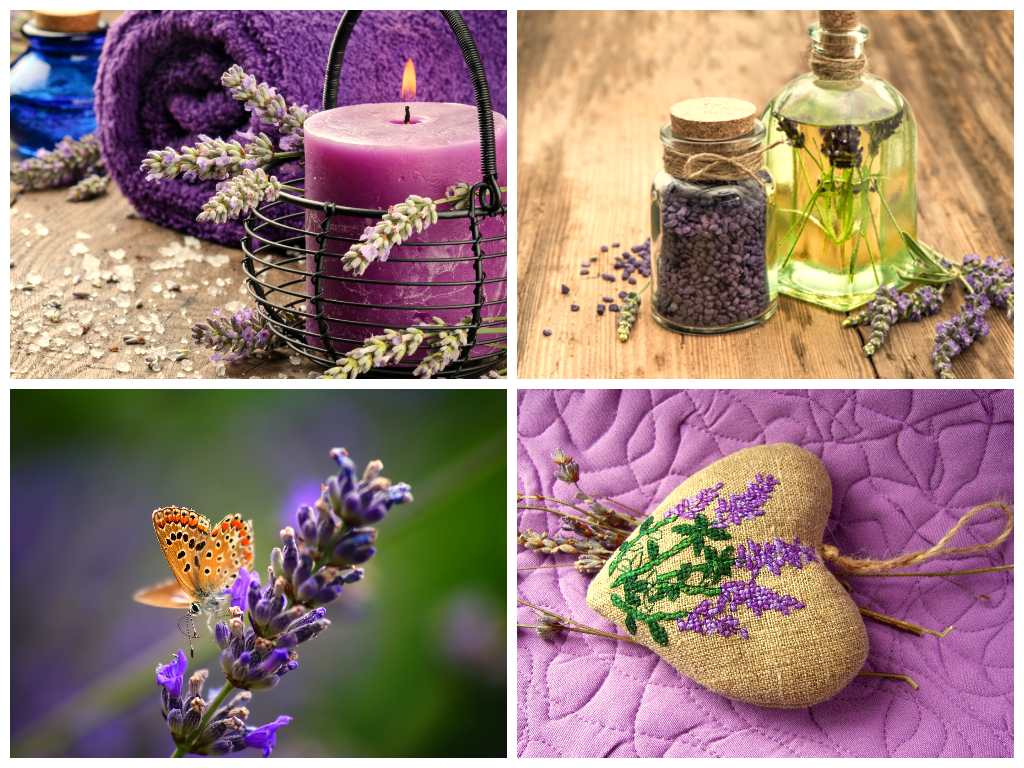
- Sachets and potpourri — traditionally tucked into wardrobes to scent linen.
- Cooking — a few English lavender flowers go into baking, syrups, tea and herbes de Provence; the flavour is strong, so use very little.
- Cosmetics and fragrance — the essential oil is used in soap, candles and perfume.
- Decor — dried bunches, wreaths, arrangements.
Lavender essential oil must not be swallowed and should only be applied to skin diluted; some people are allergic to it. Concentrated essential oils are dangerous for cats and dogs, so keep diffusers away from pets.

FAQ
Does lavender survive Ukrainian winters?
English lavender does with good drainage; French lavender does not and must be brought indoors.
When does lavender bloom?
In Ukraine from late June through July; cutting back after the first flush can bring a second bloom in late summer.
Can I grow lavender indoors in a pot?
Yes, but it needs lots of sun and a cool winter; on a warm windowsill it quickly gets leggy and weak.

View full-size photo
Author: Maria Svitlovir
Graduated from Taras Shevchenko National University of Kyiv, Institute of Biology and Medicine (2001). BSc in Biology, MSc in Horticulture. Writes about plants, works at a garden centre selecting and repotting plants, and contributes to plant reference guides.


