
 Birthday
 Hydrangeas
At first glance a ranunculus is easy to mistake for a rose or a small peony: a dense bud made of dozens of thin, tissue-paper petals in soft pastel and bright shades. In fact it is a garden buttercup — a distant relative of the yellow meadow flowers that bloom across Ukrainian meadows every summer. Today ranunculus is one of the most fashionable flowers for spring bouquets, weddings and Women's Day gifts on 8 March. Here is where it comes from, which types exist, how to choose fresh stems, how long they last in a vase, how to grow ranunculus in the garden and what to keep in mind for safety.
What is a ranunculus
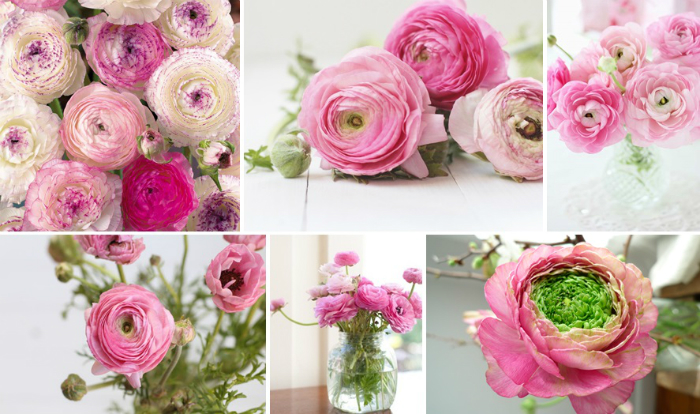
The garden ranunculus is the Persian buttercup (Ranunculus asiaticus) from the buttercup family, Ranunculaceae. The genus name goes back to the Romans: ranunculus is Latin for "little frog". Many wild buttercups grow near water and in damp hollows, where frogs live — hence the nickname.
Ranunculus is native to the Eastern Mediterranean and South-West Asia: Crete, Cyprus, Turkey and the Middle East. The plant forms tuberous roots that look like small clawed "paws". In spring they send up stems 30–60 cm tall with finely divided leaves and one or several flowers.
Wild forms have simple five-petalled flowers — much like the familiar meadow buttercup, only larger and brighter: red, yellow or white. The fully double forms with hundreds of petals sold in flower shops are the result of several centuries of breeding.
Dozens of buttercup species grow wild in Ukraine: meadow and creeping buttercups in fields, water crowfoots in ponds, lesser celandine in spring woods and parks. All of them are relatives of the ranunculus, but only the Persian buttercup is grown as a cut flower.
A short history of garden buttercups
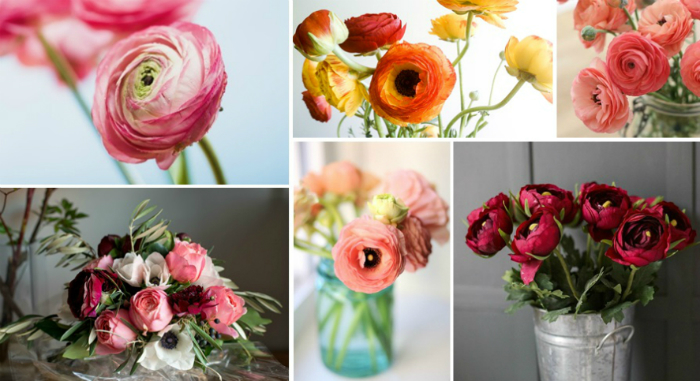
Ranunculus was prized in the gardens of the Ottoman Empire, and its tubers reached Europe in the late 16th century. By the 17th–18th centuries double buttercups were in fashion: in England they counted among the classic "florists' flowers", alongside tulips, hyacinths, anemones and auriculas. Amateur "florists" grew hundreds of varieties, held shows and argued about the "correct" flower shape.
In the 19th century the fashion faded: the fussy tubers needed a lot of attention, and new plants arrived in gardens. Ranunculus enjoyed a second life in recent decades, when Italian, Israeli, Japanese and Dutch breeders created varieties with long, sturdy stems and large buds that travel well.
Types of ranunculus
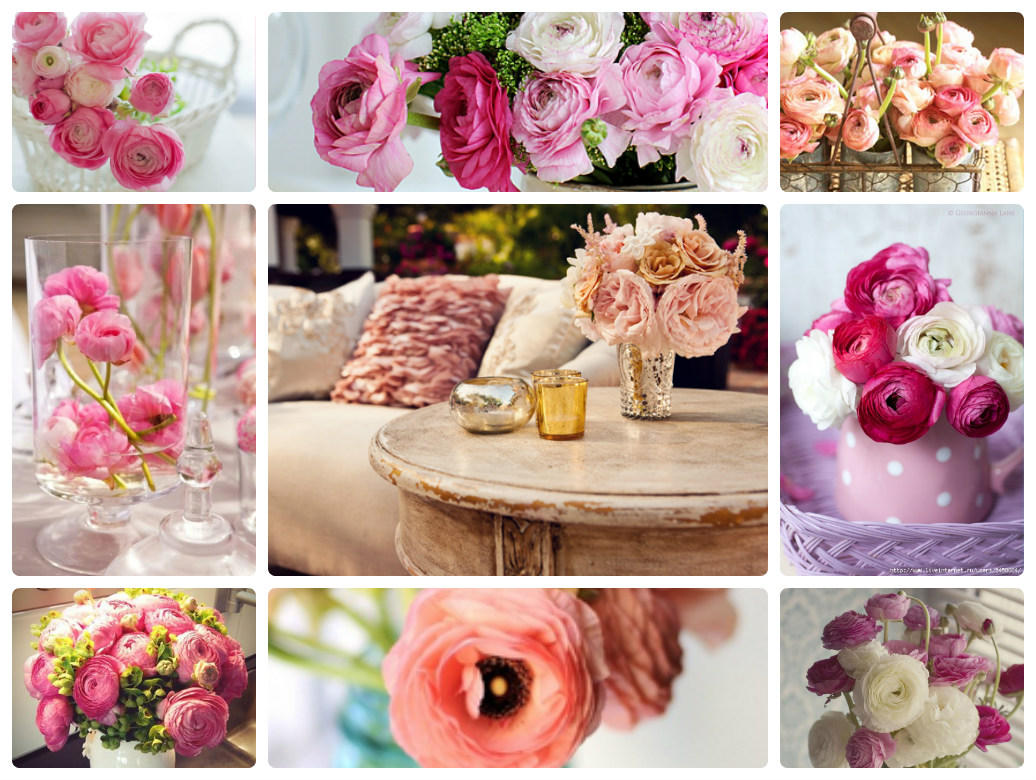
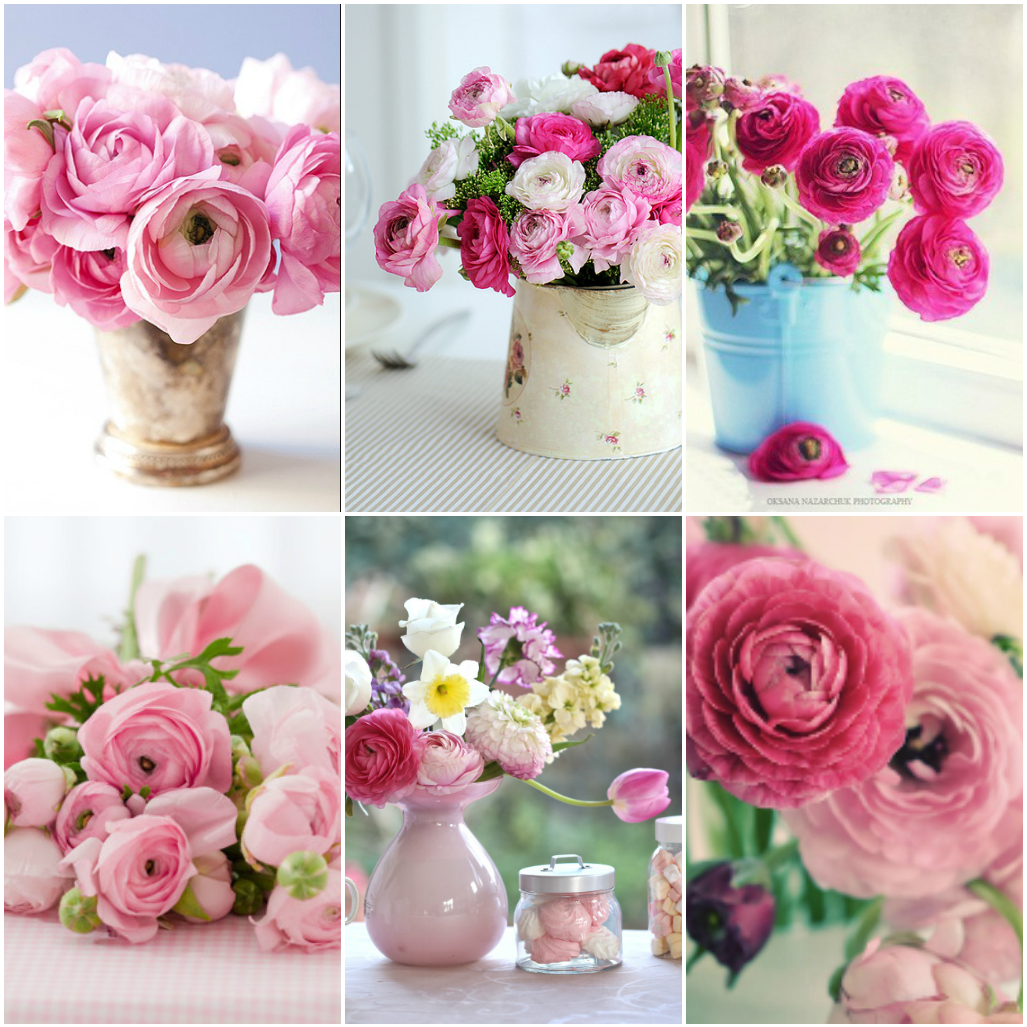
- Double cut-flower varieties (the Italian Cloni and Elegance series and others) — dense, rose-like buds on strong stems. These are the ones most often seen in bouquets.
- Peony-flowered — large, loose blooms that look like a small peony; lovely in wedding floristry.
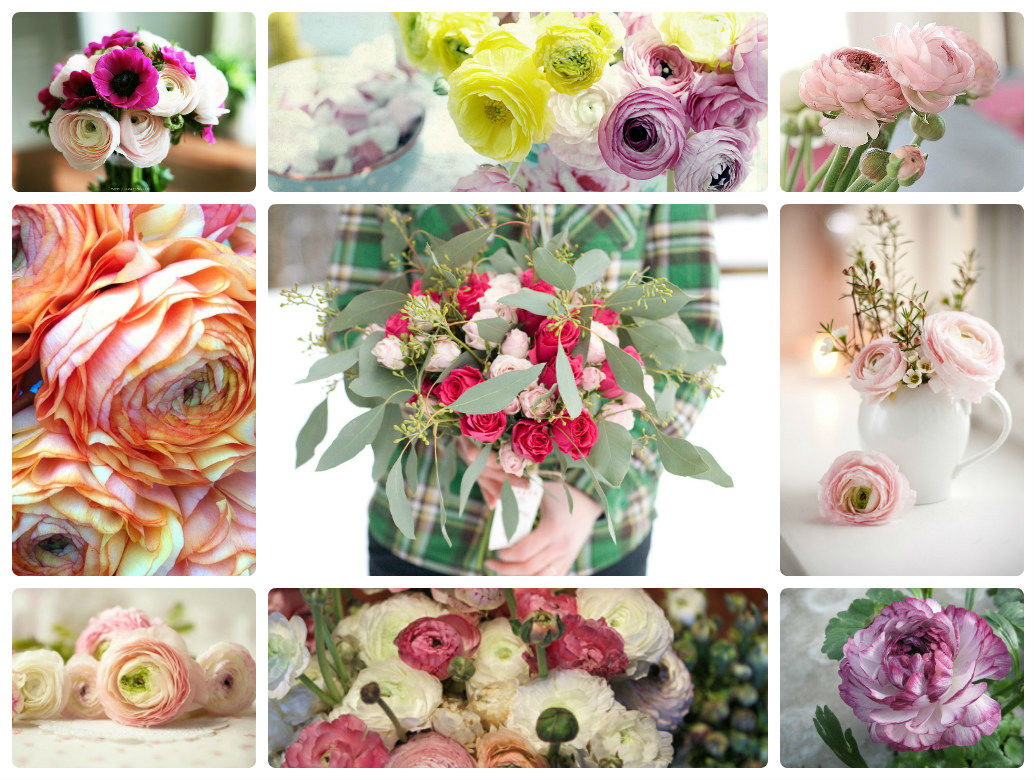
- "Butterfly" — Japanese varieties with simple glossy petals that look lacquered; several flowers open on one stem.
- Bicolour and picotee — petals with a contrasting edge or a dark centre.
- Garden mixes — inexpensive tubers for beds and containers, usually shorter with smaller flowers.
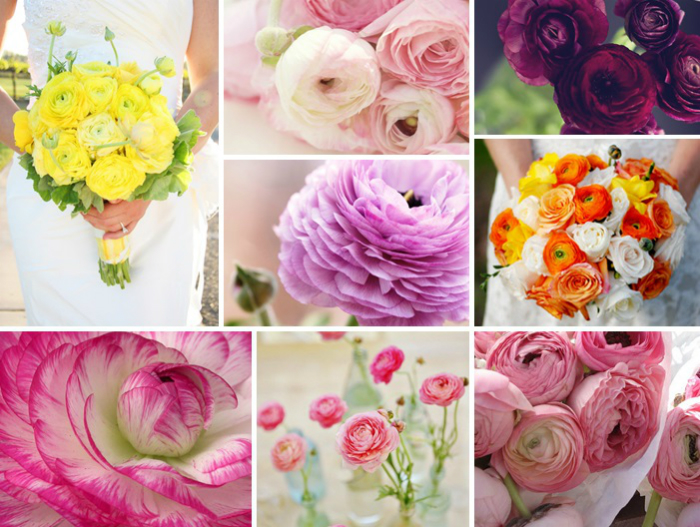
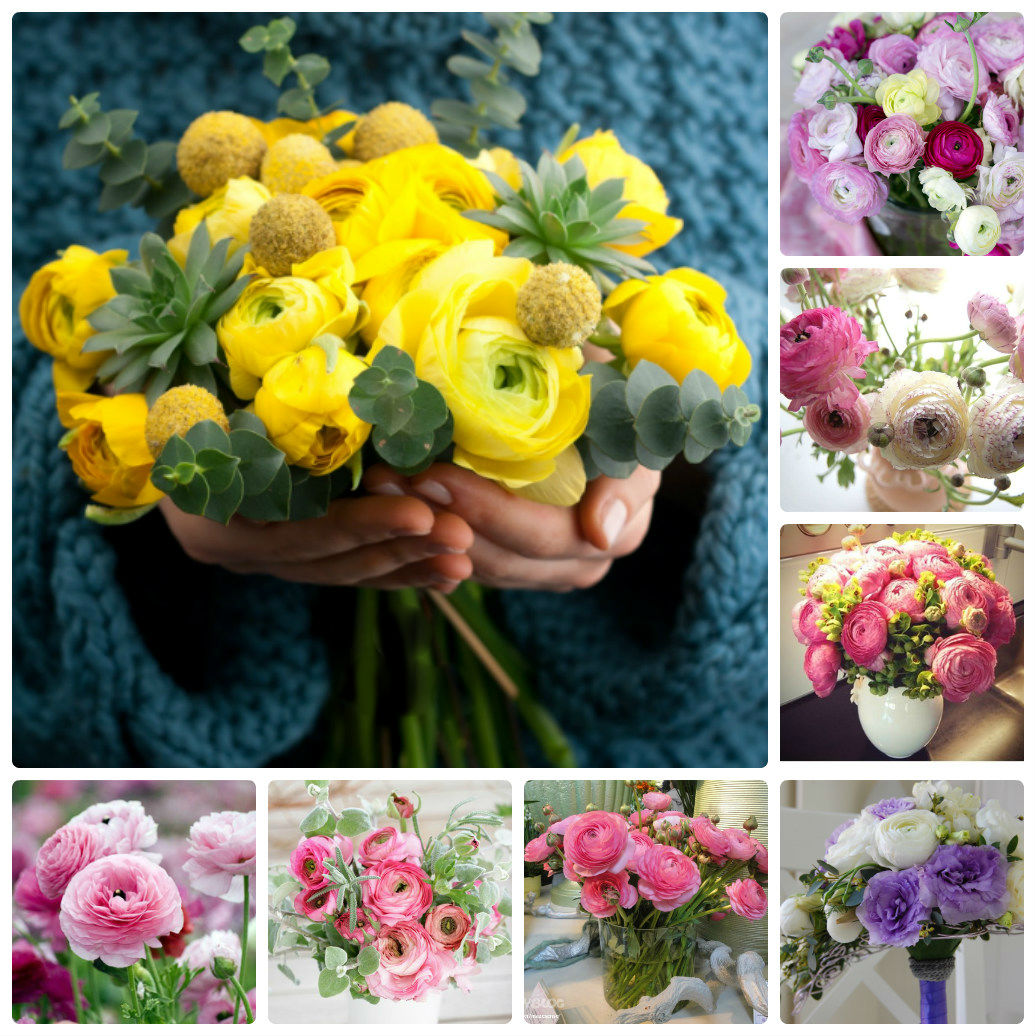
The palette is huge: white, cream, peach, pink, red, burgundy, yellow, orange and greenish. The only colours missing are true blue and sky blue — "blue ranunculus" in photos is usually dyed.
How to choose fresh ranunculus
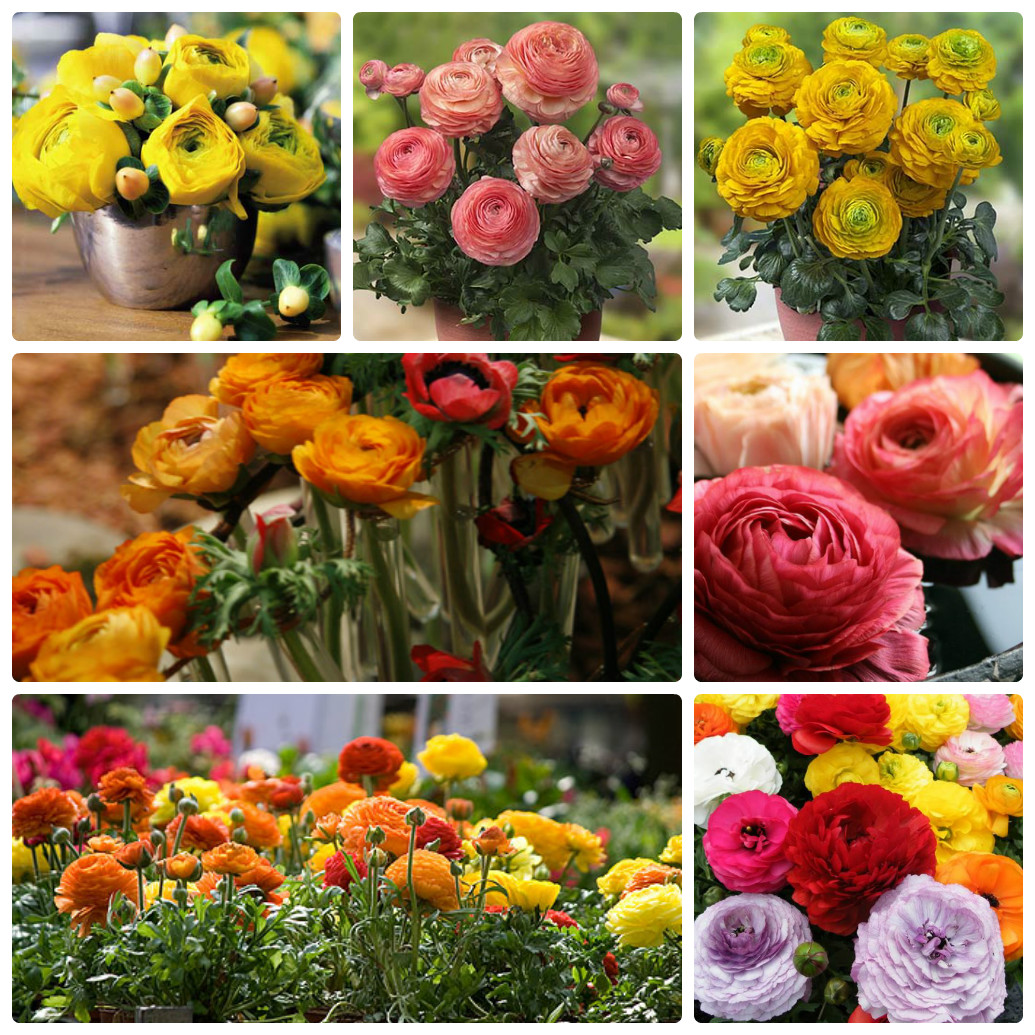
- Bud. The best stage is the "marshmallow" stage: the bud already shows colour and feels slightly soft, but has not opened yet. Such ranunculus will open fully in the vase. Completely green, hard buds may never open.
- Stem. It should be firm, with no dark spots or slime near the cut. Ranunculus stems are hollow and break easily, so check for kinks under the bud.
- Leaves. Fresh and green, without yellowing. Limp leaves mean the flowers stood without water for too long.
- Petals. No brown edges or translucent spots. A slightly drooping head after transport is normal: after a fresh cut and a couple of hours in water it will lift.
Ranunculus in bouquets and gifts
The season for cut ranunculus runs roughly from November to May: they are grown in greenhouses in Italy, Israel, the Netherlands and Kenya. That makes them perfect for spring occasions — 8 March, Mother's Day, graduations and spring weddings.
In a single-variety bouquet ranunculus look delicate and luxurious, especially in one colour range — say, from cream to peach. In mixed arrangements they pair well with tulips, anemones, freesia, carnations, roses and eucalyptus. Thanks to their round buds, ranunculus suit compact, fluffy bouquets, buttonholes and bridal bouquets. Read more about their frequent companions in our articles on anemones and tulip varieties and colours.
In the Victorian language of flowers ranunculus was said to mean "you are radiant with charms". Modern florists read it more simply: tenderness, admiration, the joy of spring. There are no strict rules — choose the shade the recipient likes.
How to make the bouquet last
- Trim the stems by 1–2 cm at an angle with a sharp knife: ranunculus stems are hollow and soft, and blunt scissors crush them.
- Remove any leaves that would sit below the waterline — they rot quickly.
- Pour a little cool water into a clean vase — 5–7 cm. Hollow stems go soggy in deep water.
- Add flower food if a sachet came with the bouquet.
- Change the water every 1–2 days and refresh the cut.
- Keep the bouquet cool, away from radiators, direct sun and ripe fruit, which releases ethylene.
With this care ranunculus last 7–10 days, and the buds have time to open fully. As it opens, the flower grows noticeably larger — worth remembering when you make a tight arrangement.
How to grow ranunculus in the garden
Ranunculus does not survive Ukrainian winters in open ground, so it is grown as a lifted crop — much like gladioli or dahlias.
- Preparation. Before planting, soak the tubers in lukewarm water for 3–4 hours — they will swell and start growing faster.
- Planting. Plant "claws" down, 3–5 cm deep, in April–May once the risk of frost has passed. For earlier flowers, start the tubers in pots in a cool, bright room from March.
- Position. Sun or light shade, loose fertile soil with no standing water. The tubers rot easily in wet ground.
- Care. Moderate watering, a balanced feed with potassium during bud formation, removing spent flowers.
- Storage. When the leaves turn yellow, lift the tubers, dry them in the shade and store them somewhere dry and cool until spring.
Ranunculus loves cool weather: in steady heat above 25–28 °C flowering ends quickly. In Ukraine it blooms best in late spring and early summer.
Safety
Like other members of the buttercup family, ranunculus contains compounds that break down into irritating protoanemonin. Fresh sap can irritate the skin, and eating the plant causes poisoning in people and animals. Wear gloves when handling the tubers and keep the bouquet away from children, cats and dogs. If a pet has eaten part of the plant and seems unwell, contact a vet.
Frequently asked questions
Is a ranunculus a rose or a peony?
Neither: it is a garden buttercup from the Ranunculaceae family. It resembles a rose only in the shape of its bud.
How long do ranunculus last in a vase?
Usually 7–10 days with shallow water, regular trimming and a cool room.
When is ranunculus season?
Cut flowers are sold roughly from November to May, peaking in late winter and spring. In the garden ranunculus blooms in late spring and early summer.
Can I grow ranunculus indoors?
Yes, in a cool, bright room or on a glazed balcony. Heat and dry air hinder flowering, so after blooming it is best to lift the tubers and keep them for the next season.

View full-size photo
Author: Maria Svitlovir
Graduated from Taras Shevchenko National University of Kyiv, Institute of Biology and Medicine (2001). BSc in Biology, MSc in Horticulture. Writes about plants, works at a garden centre selecting and repotting plants, and contributes to plant reference guides.


