
 Birthday
 Hydrangeas
Asters are the symbol of early autumn and 1 September in Ukraine: lush, bright and very long-lasting in a vase. The name actually covers different plants — annual China asters for bouquets and perennial "Michaelmas daisies" for the garden. Here is how they differ, which varieties exist, how to make a bouquet with asters and how to grow them.
Autumn bouquets can be ordered among our chrysanthemums and flower baskets with delivery in Kyiv.
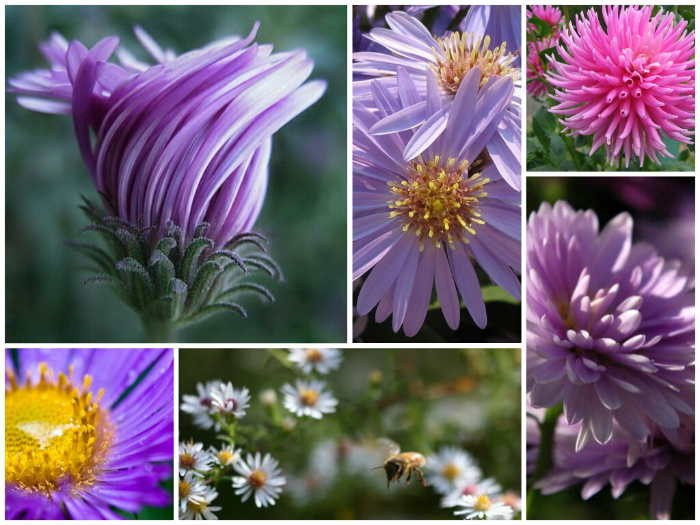
What the name means
"Aster" comes from the Greek word for "star", after the ray-like petals around the centre, which also inspired legends of a flower grown from stardust. In English-speaking tradition the aster is the birth flower of September and symbolises patience, love and remembrance.
Annual and perennial asters
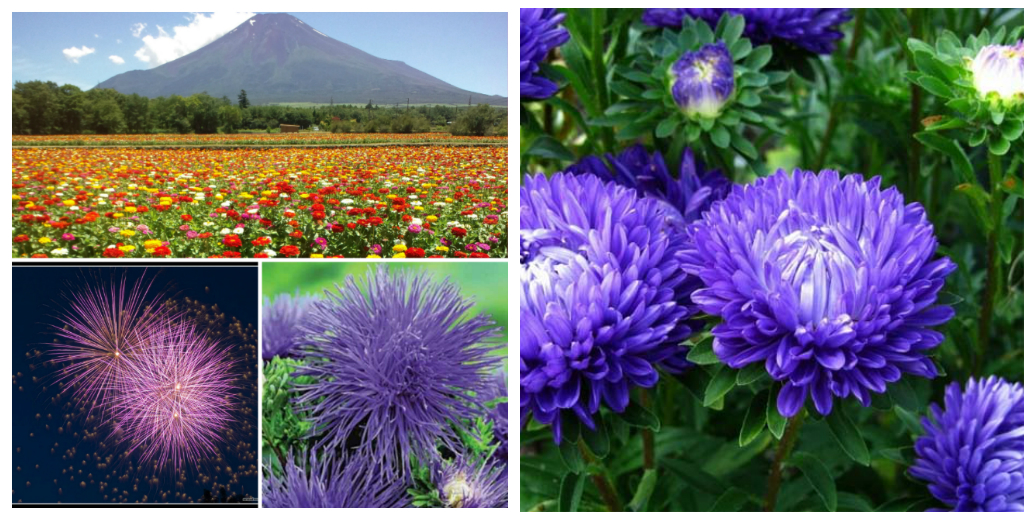
Botanists long ago moved the annual aster into its own genus, Callistephus, and the perennial American species into Symphyotrichum, but in everyday use all of them are called asters. Annual varieties include pompon, peony-flowered, needle (with narrow quilled petals), ostrich-plume and ball forms, in white, pink, crimson, purple, blue and cream.
Asters in bouquets
- Vase life. Cut asters last 10–14 days — longer than many summer flowers.
- Cutting. Cut when the flowers are 1/2–3/4 open and remove the lower leaves.
- Care. An angled cut, clean water, fresh water every other day.
- Pairings. Roses, chrysanthemums, dahlias, gladioli, hydrangeas and grasses; small perennial asters add airiness.
Asters are a traditional choice for a 1 September bouquet for a teacher: affordable, bright and able to survive a day in a child's hands.
.jpg)
How to grow asters
- Annuals: sow seedlings in March–April and plant out in May, or sow directly outdoors in late April–May.
- Site: sunny, light soil, no fresh manure.
- Rotation: annual asters are prone to Fusarium wilt, so do not grow them in the same spot more than once every 4–5 years or after gladioli and tulips.
- Perennials: easy-going; divide every 3–4 years; in damp weather they can get powdery mildew.
How to choose fresh asters
- Green, firm leaves without yellow or blackened spots.
- A dense centre without shedding pollen or dark patches.
- Strong stems with a pale, clean cut.
- Some flowers can be half-open — they will open in the vase.
Colour meanings
- White — purity and new beginnings; good for 1 September and weddings.
- Pink and crimson — tenderness and gratitude.
- Purple and blue — classic autumn tones for understated bouquets.
- Mixed — a festive mood; lovely in baskets.
FAQ
How long do asters last in a vase?
10–14 days with regular water changes.
How are Michaelmas daisies different from asters?
Michaelmas daisies are perennial asters with small flowers that bloom in September–October. The large asters used in bouquets are annuals.
Why do asters wilt in the flower bed?
Most often because of Fusarium wilt. Rotate the planting site and choose resistant varieties.

View full-size photo
Author: Maria Svitlovir
Graduated from Taras Shevchenko National University of Kyiv, Institute of Biology and Medicine (2001). BSc in Biology, MSc in Horticulture. Writes about plants, works at a garden centre selecting and repotting plants, and contributes to plant reference guides.