
 Birthday
 Hydrangeas
In France flowers are part of everyday life: you bring a bouquet to a dinner party, give lily of the valley for luck on 1 May and take chrysanthemums only to the cemetery. France also has the world capital of perfume, the lavender fields of Provence and a carnival with a battle of flowers. Here are the main French traditions and how to get your bouquet right in France.
The royal lily and the iris
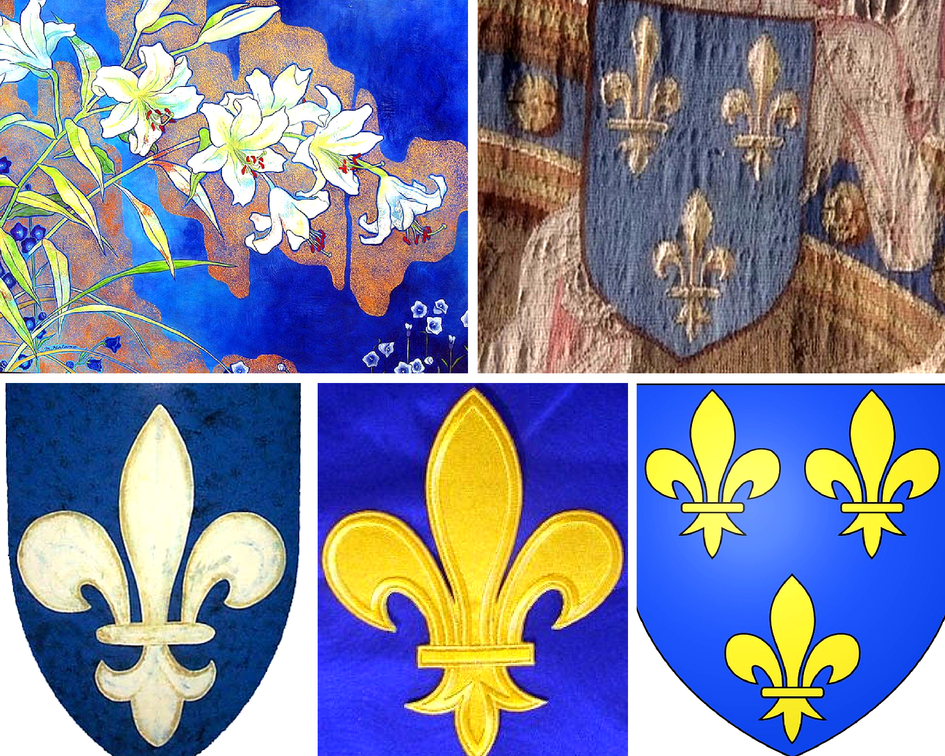
The stylised lily, or fleur-de-lis, was the emblem of French kings from the Middle Ages and still appears in town coats of arms. Botanists and historians believe its model may have been not the garden lily but the yellow iris. More in our article on flowers in heraldry.
1 May: lily of the valley for luck
According to tradition, the custom began in 1561, when the young King Charles IX was given a sprig of lily of the valley for luck and decided to present the flowers to the ladies of his court every year. Today, on 1 May — Labour Day — the French give each other posies of muguet, and by custom even private individuals may sell them in the street that day without a licence.
Chrysanthemums are for All Saints' Day
On 1 November, All Saints' Day (La Toussaint), the French place pots of chrysanthemums on graves. The custom took hold after the First World War, and ever since the chrysanthemum has been firmly linked to remembrance of the dead in France. That is why it is not given as a gift. See also our guide to funeral flower etiquette.
The cornflower of remembrance
The Bleuet de France — the blue cornflower — is the symbol of remembrance for veterans and those who died in war. It is worn on 8 May and 11 November, much as the British wear the red poppy.
Grasse and lavender Provence
- Grasse on the Côte d'Azur is the world capital of perfume. May rose (Rosa × centifolia) and jasmine are grown here for perfumery, and in 2018 this know-how was added to UNESCO's Intangible Cultural Heritage list. The town hosts Expo Rose in May and the Jasmine Festival in August.
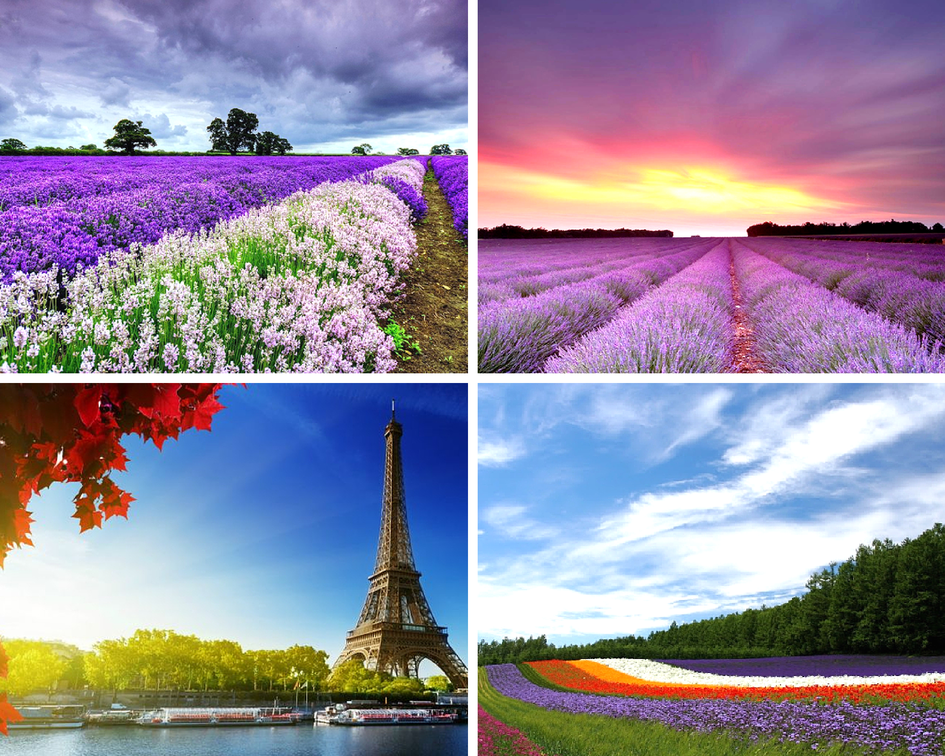
- Provence. The lavender fields of the Valensole plateau bloom from late June to late July, with harvesting starting in July.
Carnival and gardens
- The Battle of Flowers in Nice has been part of the February carnival since the 19th century: floats covered in thousands of flowers throw mimosa, carnations and lilies to the crowd.
- The International Garden Festival at Chaumont-sur-Loire has presented dozens of new gardens by landscape designers every season (April to November) since 1992.
Etiquette: giving flowers in France
- An odd number of flowers is the classic rule (except 13, considered unlucky). Large bouquets are not counted.
- Chrysanthemums are not given as gifts — they are for cemeteries.
- Red roses are for romance only; choose a neutral bouquet for your hostess.
- When invited to dinner, hand the flowers to the hostess on arrival — or, more elegantly, send them in advance or the next day as a thank-you, so she doesn't have to hunt for a vase.
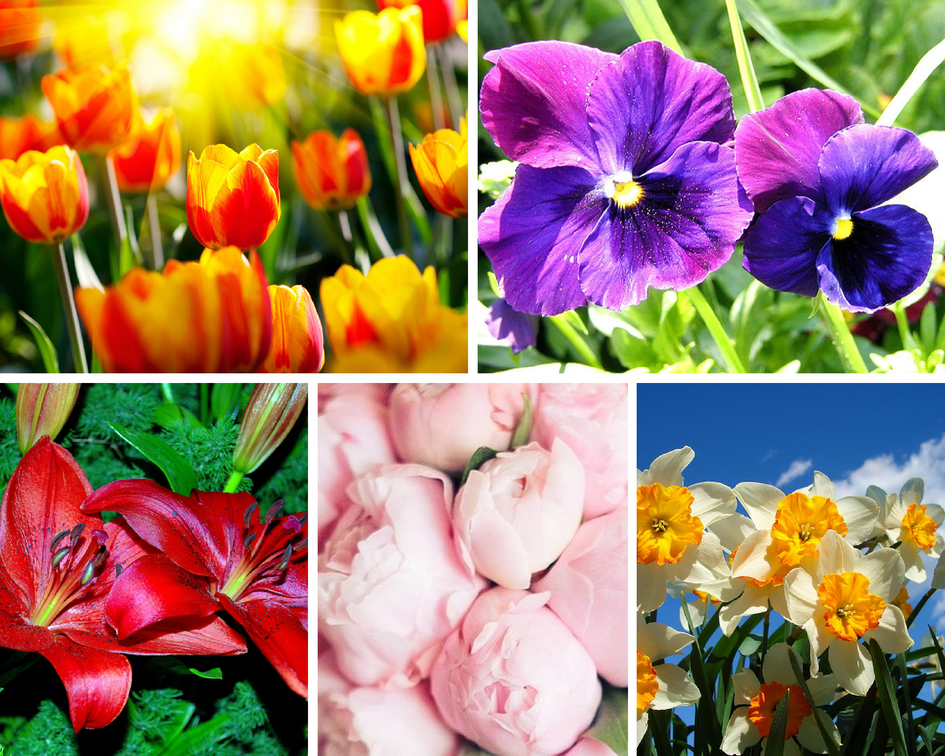
- Keep it simple. The French love relaxed bouquets of seasonal flowers — peonies, tulips, ranunculus, branches — without elaborate wrapping.
FAQ
What do the French give on 1 May?
A sprig or small posy of lily of the valley, for luck.
Can I give chrysanthemums in France?
Better not: in France they are flowers for All Saints' Day and cemeteries.
Which other countries have notable flower traditions?
See our articles on Spain, the Netherlands and Brazil.

View full-size photo
Author: Maria Svitlovir
Graduated from Taras Shevchenko National University of Kyiv, Institute of Biology and Medicine (2001). BSc in Biology, MSc in Horticulture. Writes about plants, works at a garden centre selecting and repotting plants, and contributes to plant reference guides.


