
 Birthday
 Hydrangeas
This article was prepared with the support of UFL flower delivery. The hoya, or wax plant, is one of the best-known climbing houseplants. It's undemanding, lives for decades and once decorated nearly every post office, school and library in Ukraine. Today it's enjoying a revival, with collectors growing dozens of species with unusual leaves and flowers.
.jpg)
About the plant
Hoya is a vine in the dogbane family (Apocynaceae) native to South-East Asia, India and Australia. It's named after the English gardener Thomas Hoy. The thick, glossy leaves look as if they're coated in wax — hence "wax plant" — though it isn't related to true ivy. In the wild its stems reach 5–10 m; indoors, 2–5 m.
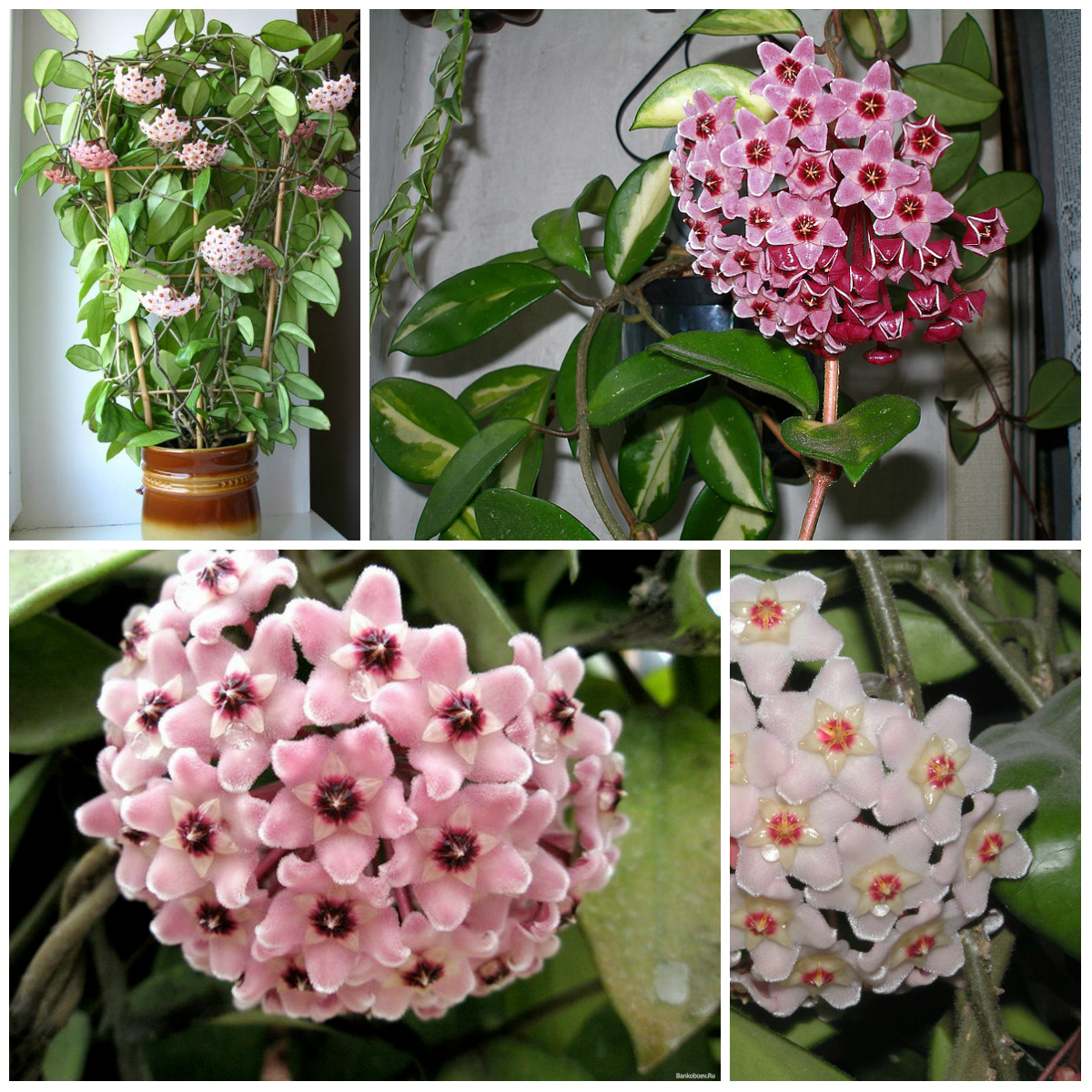
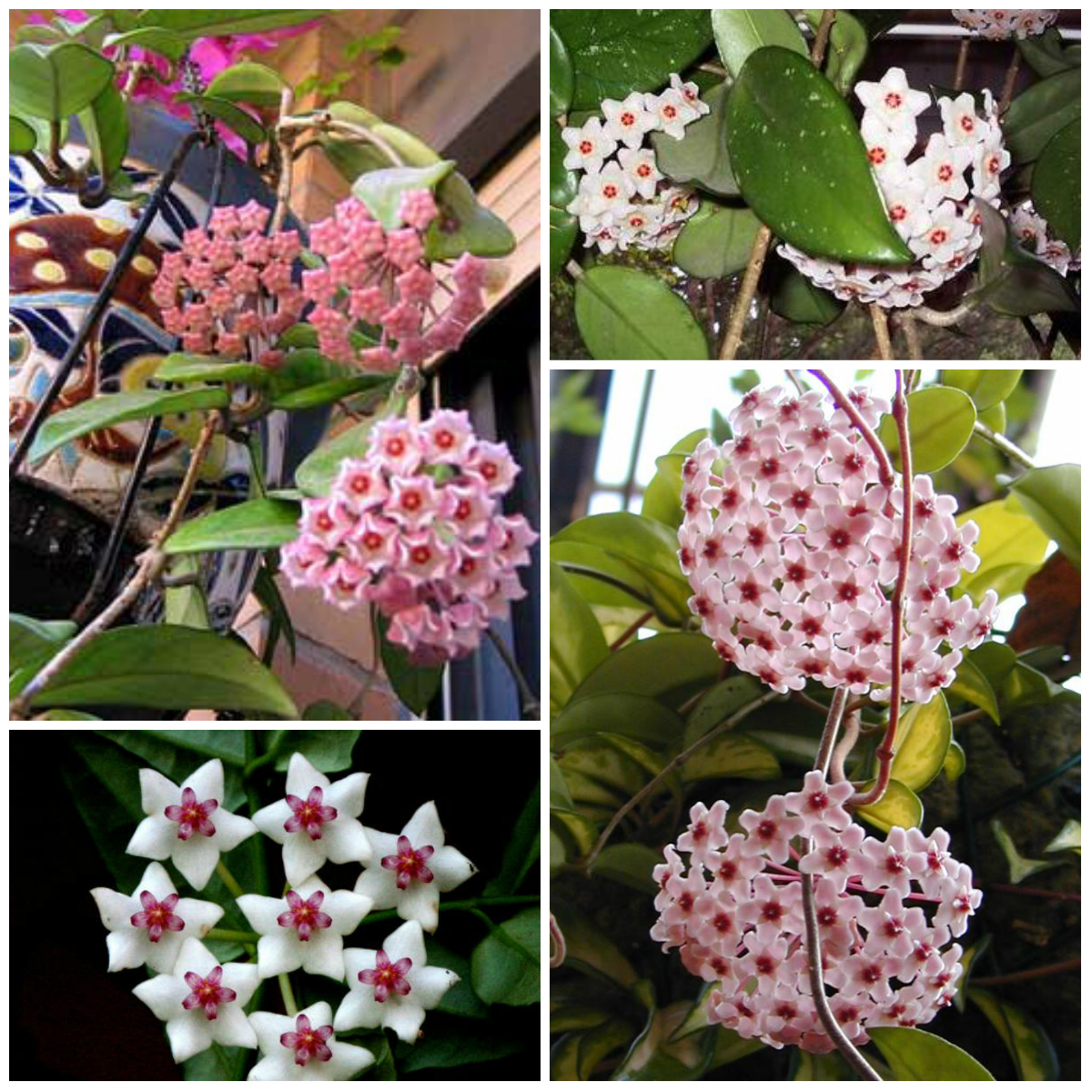
The five-pointed star flowers with a porcelain-like crown are held in round clusters. They're sweetly scented, especially in the evening, and drip nectar. Each cluster lasts 1–3 weeks, and the plant blooms from spring to autumn.
Popular species
How to display a hoya
- On a support. Push a hoop or trellis into the pot and gradually wind the flexible stems around it to form an arch or a ball.
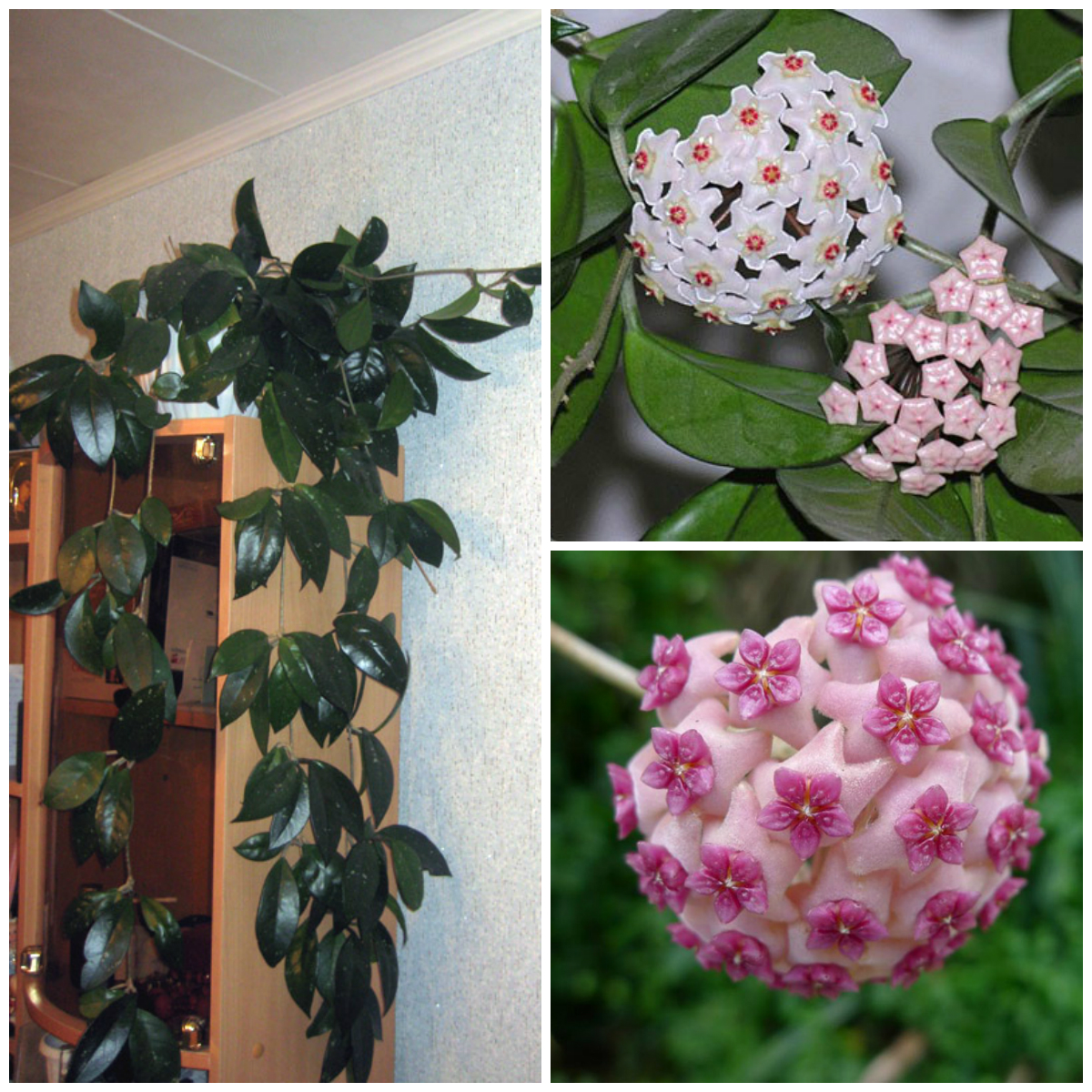
- Trailing. Hanging stems look great in a hanging basket or on top of a tall cupboard.
- On a wall. Train long stems along hooks around a window.
Hoya care
| Factor | What it needs |
|---|---|
| Light | Bright, indirect — an east or west window. Morning sun is fine, but shade it at midday or the leaves yellow and scorch. In shade it grows but won't flower. |
| Temperature | 20–25 °C in summer, 12–16 °C in winter — a cool rest encourages flowering. It can go on a shady balcony in summer. |
| Watering | Hoya stores water in its leaves, so water once the top two-thirds of the compost is dry. Waterlogging kills the roots. Water sparingly in winter. |
| Humidity | Likes humid air: mist the leaves (not the flowers) or use a tray of wet pebbles. |
| Compost | Very airy: orchid or cactus mix with added perlite and coir. |
| Feeding | Every 3–4 weeks from spring to autumn with a flowering-plant fertiliser. |
| Repotting | Every 2–3 years, when roots fill the pot. It flowers better when snug. |
Why a hoya won't flower
- Too little light — the most common reason.
- A warm winter with no rest period.
- Cut flower spurs. Hoyas rebloom on old spurs year after year — leave them.
- A pot that's too big — the plant puts energy into roots.
- Moving it while in bud — the buds drop.
- Youth — cuttings flower in their 2nd or 3rd year.
Propagation
- In spring or summer, take a 10–15 cm cutting with 2–3 nodes.
- Remove the lower leaves and let the cut dry for 1–2 hours (it oozes milky sap).
- Root it in water, damp sphagnum moss or a light mix under a cover at 22–25 °C.
- Roots appear in 2–4 weeks. You can also layer a stem by pinning it to compost in a neighbouring pot.
Is hoya toxic?
Contrary to popular belief, hoya isn't considered poisonous: the ASPCA lists it as non-toxic to cats and dogs. Its milky sap can irritate skin, though, and eating the leaves may cause mild stomach upset — so keep it away from toddlers and pets that chew everything, and wear gloves when pruning. The strong scent of the flowers can give sensitive people a headache in a bedroom.
FAQ
Can I keep a hoya in the bedroom?
Yes, but when it flowers the night-time scent can be very strong — move it if you're sensitive.
Why are my hoya's leaves turning yellow?
Overwatering, direct sun or cold. Check your watering and light.
Should I cut off spent flower clusters?
No — leave the spurs, as new buds grow from them.
For more greenery ideas, see UFL's houseplants section.

View full-size photo
Author: Maria Svitlovir
Graduated from Taras Shevchenko National University of Kyiv, Institute of Biology and Medicine (2001). BSc in Biology, MSc in Horticulture. Writes about plants, works at a garden centre selecting and repotting plants, and contributes to plant reference guides.